The story behind a leonardesque painting at TEFAF
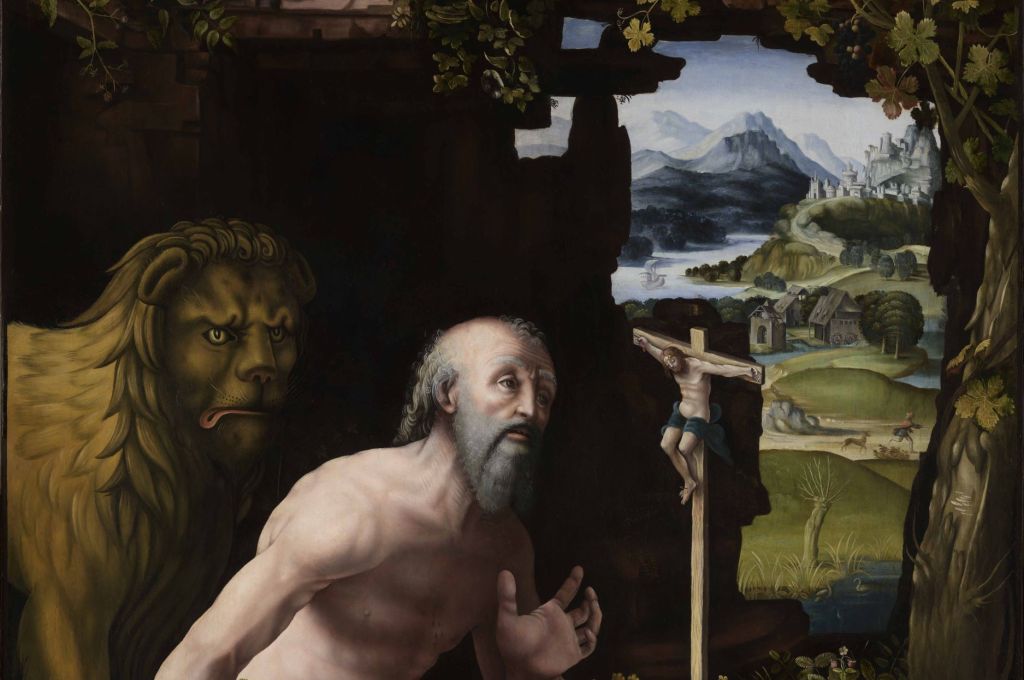
At this year’s TEFAF, taking place in Maastricht from 9 to 14 March, the Matteo Salamon Gallery from Milan will be presenting the spectacular Saint Jerome in the Wilderness, a fascinating painting by a close collaborator of Leonardo da Vinci. Previously attributed to various pupils of Leonardo, and then to Cesare da Sesto, one of the most famous of this circle, the painting is being presented by Matteo Salamon as the work of a Lombard artist from the early 16th century.
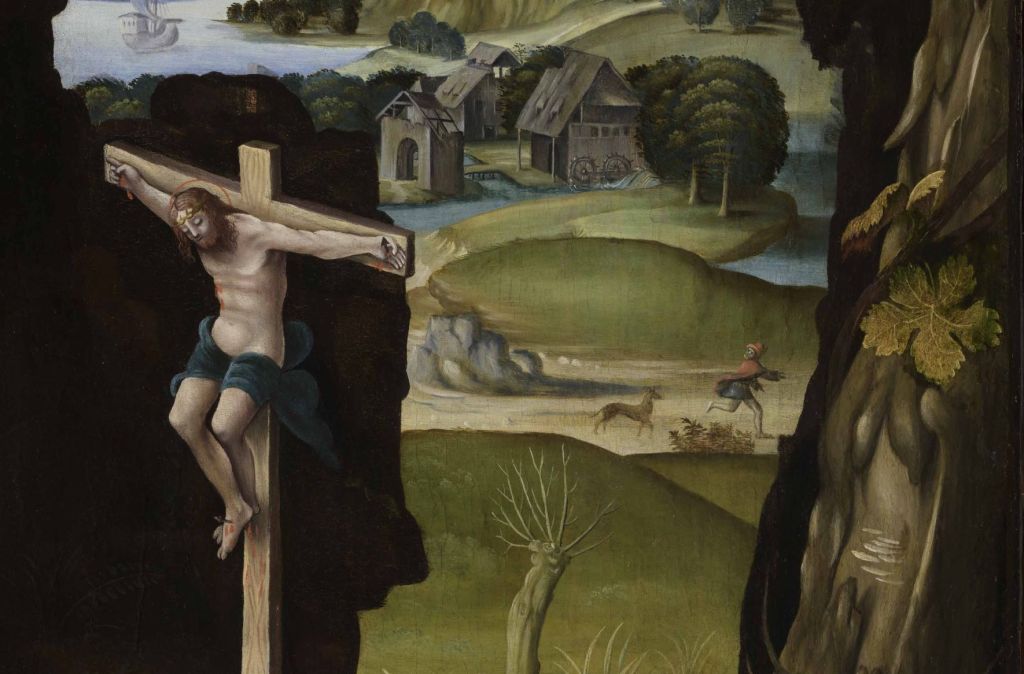
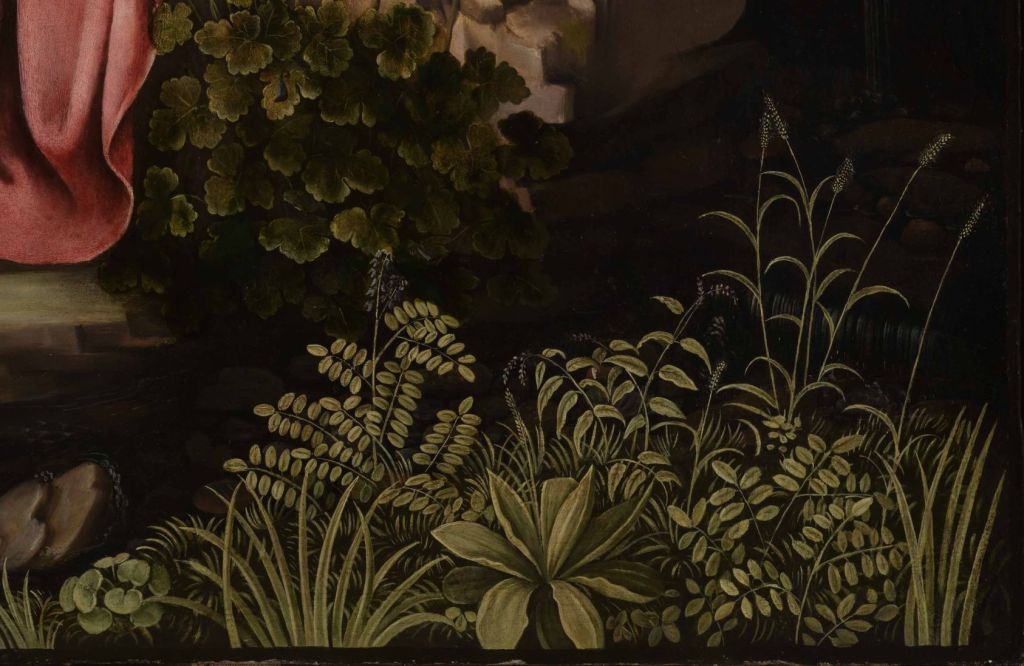
The painting takes up the classic Renaissance depiction of Saint Jerome as a hermit, shown largely unclothed and praying in a landscape. But what sets this painting apart is the extraordinary precision shown in the treatment of the landscape, where no fewer than thirty-eight species of plant can be identified. This extreme attention to the landscape and to the details of flora and fauna is characteristic of the works produced by Leonardo da Vinci’s Milanese disciples between 1510 and 1530.
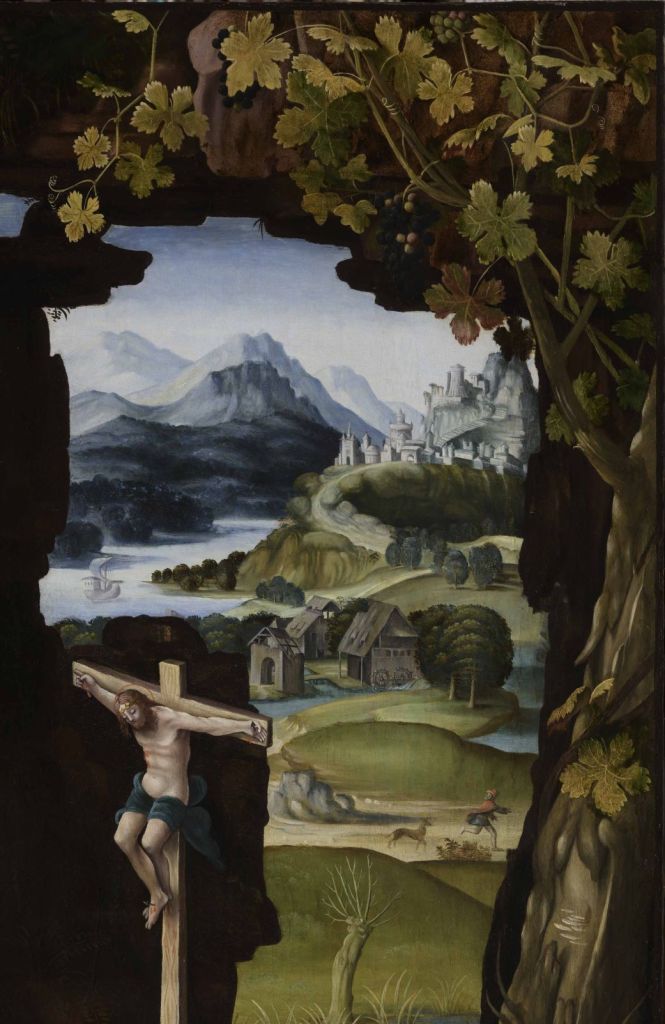
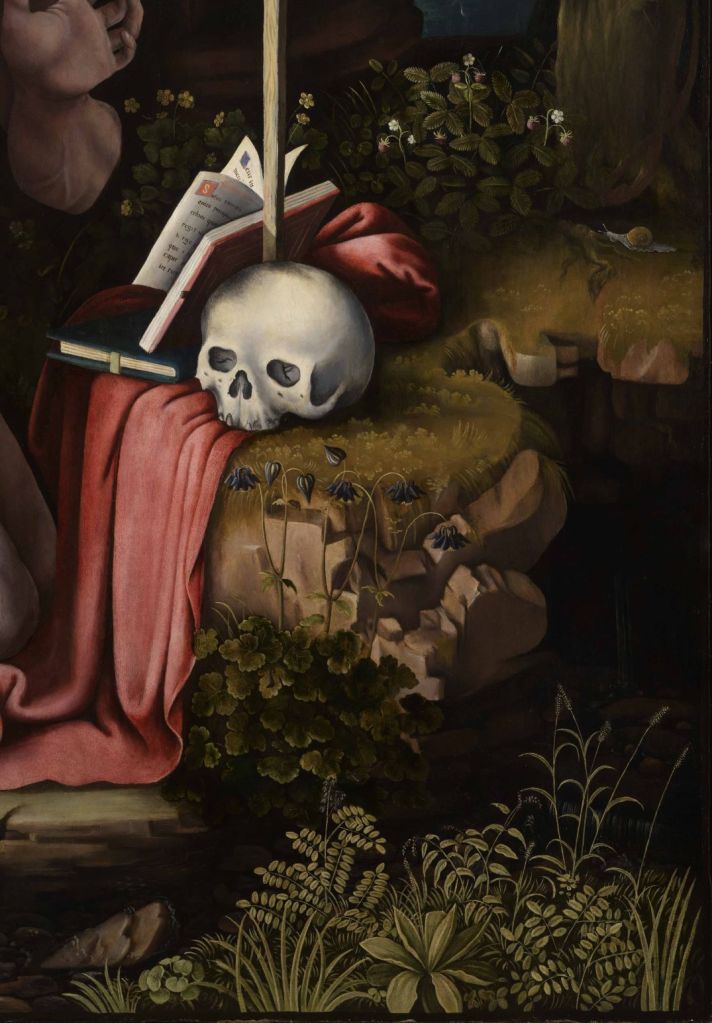
Enchanting woods replaced the austere, inhospitable landscapes that had typically framed Saint Jerome the hermit in earlier works. First inspired by Leonardo’s landscape of the Madonna of the Rocks, they subsequently developed into meticulous descriptions worthy of a botanical catalogue, as found in the paintings of Marco d’Oggiono, Francesco Melzi and Gallarati Scotti.
Although there is no doubt today about the Lombard origin of this painting, the various experts and art historians who have studied it have not yet reached a precise attribution. Wilhem Suida first catalogued the painting in 1920 as a work by the Pseudo-Boltraffio. Other names were suggested later: Francesco de Tatti, Nicola Moietta, and finally Cesare da Sesto. It was under this final name that Matteo Salamon discovered the painting, but he was not convinced. With the help of Professor Ales – sandro Morandotti, a specialist in Lombard painters of XVI/XVII Centuries, he spent over a year studying the circle of Leonardo da Vinci’s disciples in Lombardy, hoping to find the artist who painted this spectacular Saint Jerome.